
- October 6, 2026
- harshaCancerCare
- Comment: 0
- Blog
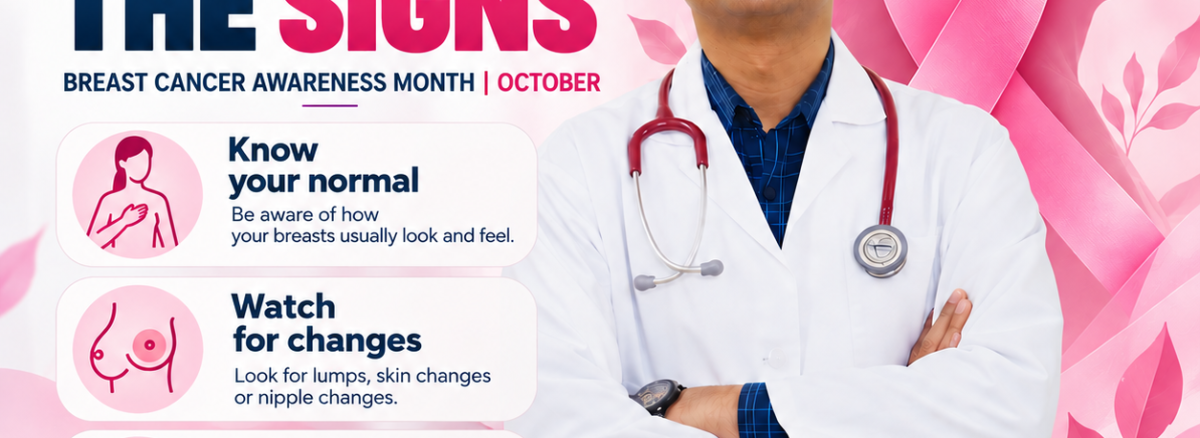
Every October, Breast Cancer Awareness Month reminds us of a simple truth: breast cancer found early is far more treatable. Breast cancer is among the most common cancers in women in India and worldwide, yet many women still delay checkups because of fear, myths, or lack of information.
As a medical oncologist, Dr. Harshavardhan Annadanam encourages every woman to learn the warning signs, understand her risk, and make screening a regular habit. This guide covers what you need to know.
What Is Breast Cancer?
Breast cancer begins when cells in the breast grow abnormally and uncontrollably, usually in the milk ducts or lobules. These cells can form a lump and, if untreated, may spread to other parts of the body. It mostly affects women, but men can develop it too.
Early Signs and Symptoms of Breast Cancer
Not every change is cancer, but never ignore these signs:
- A new lump or thickening in the breast or underarm
- Change in breast size or shape
- Skin dimpling, puckering, or redness
- Nipple discharge (especially bloody) or a nipple turning inward
- Scaly, itchy, or peeling skin around the nipple
- Persistent breast pain or swelling in one area
Most breast lumps are not cancerous, but only a doctor can tell. Get any new change checked promptly.
Who Is at Higher Risk?
Risk factors include:
- Age: risk increases as you get older
- Family history: a mother, sister, or daughter with breast or ovarian cancer
- Genetic mutations: such as BRCA1 and BRCA2
- Hormonal factors: early periods, late menopause, or no pregnancies or late first pregnancy
- Lifestyle: obesity, alcohol, low physical activity, and smoking
- Previous breast conditions or prior chest radiation
Having risk factors does not mean you will get cancer, and many women with breast cancer have no known risk factors. This is why regular screening matters for everyone.
Breast Cancer Screening: What, When, and How
1. Breast self-awareness (monthly): Know how your breasts normally look and feel, so you notice changes early.
2. Clinical breast examination: A trained doctor examines your breasts, usually during routine health checkups.
3. Mammography: A low-dose X-ray that can detect cancers before a lump can be felt. Many guidelines recommend regular mammograms starting around age 40 to 45, depending on risk and national guidelines. Women with a strong family history may need to start earlier, and may need additional tests like MRI.
4. Genetic counselling: If several relatives had breast, ovarian, or related cancers, ask your doctor about genetic testing.
Talk to your doctor about the right screening schedule for you, based on your age, family history, and health.
How Is Breast Cancer Diagnosed?
If a suspicious change is found, evaluation may include:
- Diagnostic mammogram and/or ultrasound
- Biopsy to confirm the diagnosis
- Receptor testing (ER, PR, HER2) to identify the cancer subtype
- Imaging to assess the stage if cancer is confirmed
Modern Breast Cancer Treatment
Treatment is personalised based on the stage, subtype, and the patient’s overall health. A multidisciplinary approach may include:
- Surgery: breast-conserving surgery or mastectomy
- Chemotherapy: before or after surgery, when indicated
- Radiation therapy
- Hormone (endocrine) therapy for hormone-receptor-positive cancers
- Targeted therapy for HER2-positive cancers
- Immunotherapy in selected cases
Advances in targeted and personalised treatment have improved outcomes and quality of life for many patients. As a medical oncologist, Dr. Harshavardhan Annadanam focuses on tailoring systemic treatment to each patient’s cancer biology and needs.
Healthy Habits That May Lower Your Risk
No lifestyle change guarantees prevention, but these steps support overall breast health:
- Maintain a healthy weight
- Exercise regularly (about 150 minutes of moderate activity weekly)
- Limit or avoid alcohol
- Avoid smoking
- Eat a balanced diet rich in fruits, vegetables, and whole grains
- Breastfeed if possible
Busting Common Myths
Myth: Only women with a family history get breast cancer.
Fact: Most women diagnosed have no family history.
Myth: A painless lump is harmless.
Fact: Breast cancer lumps are often painless. Get any lump checked.
Myth: Mammograms cause cancer.
Fact: The radiation dose is very low, and the benefit of early detection far outweighs the risk.
Myth: Breast cancer is always fatal.
Fact: When detected early, many breast cancers are highly treatable.
Frequently Asked Questions
At what age should I start mammograms?
Most guidelines suggest starting around 40 to 45, earlier if you have a family history or other risk factors. Your doctor can advise you.
Can men get breast cancer?
Yes, though it is rare. Men should also report any breast lump or nipple change.
Is breast cancer curable?
Many breast cancers, especially those caught early, can be treated successfully. Outcomes depend on stage and cancer type.
When should I see an oncologist?
See a doctor right away for a new lump or any persistent breast change. If cancer is diagnosed or strongly suspected, consult a medical oncologist to plan treatment.
Take the First Step This October
Awareness saves lives, but only when it leads to action. This Breast Cancer Awareness Month, schedule your checkup, encourage the women in your life to do the same, and don’t ignore changes in your body.
Concerned about a symptom, or need guidance on screening or treatment?
Book a consultation with Dr. Harshavardhan Annadanam, Medical Oncologist.